How Water-Based Lubricants Are Changing the Steel Industry Landscape
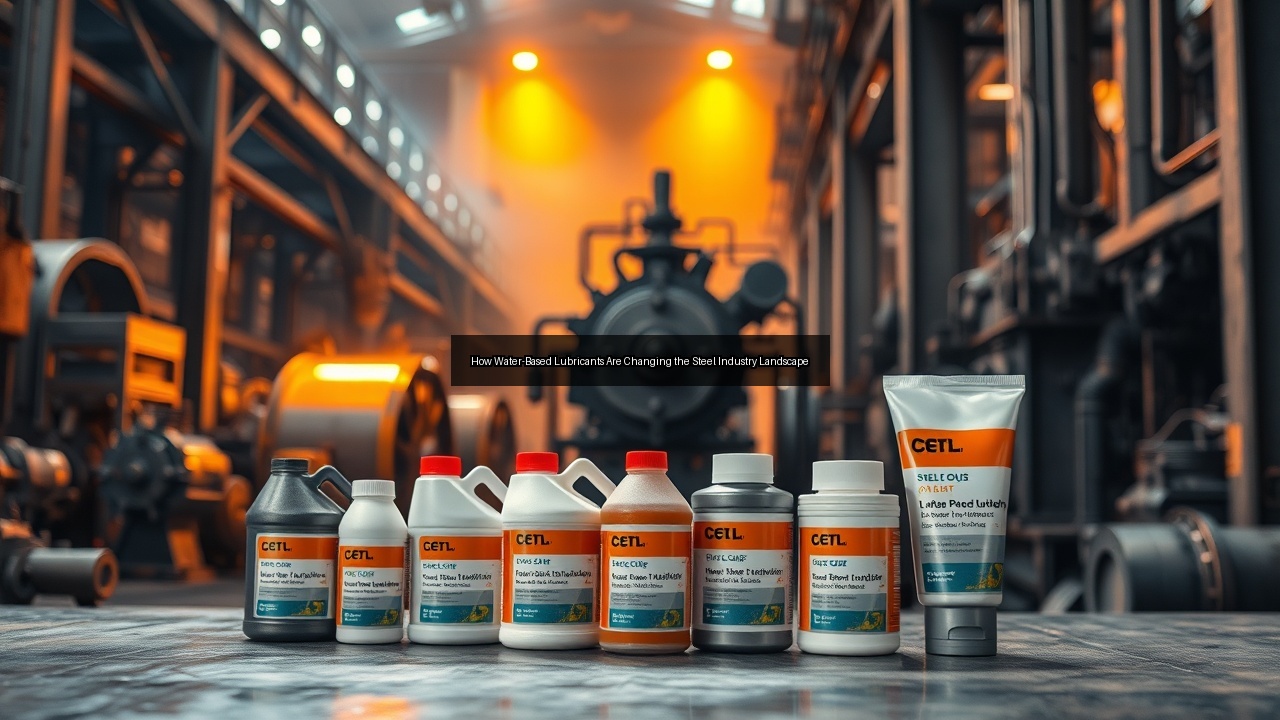
The Role of Water-Based Lubricants in the Steel Industry
Understanding Steel Mill Lubricants
Steel mill lubricants play a critical role in the performance and efficiency of steel production processes. These lubricants reduce friction between moving parts, thereby enhancing the lifespan of machinery and improving overall productivity. In steel plants, the harsh conditions and high temperatures necessitate effective lubrication solutions to maintain performance. Traditional lubricants, primarily oils and greases, have dominated the market for decades. However, the emergence of water-based lubricants offers a promising alternative that meets the rigorous demands of the steel industry.
Water-based lubricants consist of a blend of water and various additives that enhance their lubricating properties. Unlike conventional oils that may contain harmful chemicals, these formulations are often more environmentally friendly and easier to clean up. Understanding the specific requirements of steel mill lubrication is crucial for selecting the right products to optimize performance in various processes such as continuous casting, rolling, and hot rolling.
Benefits of Water-Based Lubricants
Water-based lubricants offer numerous advantages that significantly enhance their appeal in the steel industry. One major benefit is their cooling properties. The water component dissipates heat effectively, which is essential in high-temperature applications. This cooling effect prevents overheating of machinery, which could lead to costly breakdowns or malfunctions. Additionally, water-based lubricants minimize the risk of fire hazards often associated with oil-based products, making them safer for operations in steel mills.
Another notable benefit is the reduction of residue and buildup. Traditional lubricants can leave greasy residues that require extensive cleaning processes. Water-based formulations typically do not leave behind such residues, simplifying maintenance and reducing downtime. Furthermore, these lubricants often enhance the quality of the finished steel products by providing a cleaner working environment. The lower viscosity of water-based lubricants also enables better penetration into tight spaces, ensuring comprehensive lubrication of complex machinery.
Comparison with Traditional Oils and Greases
When comparing water-based lubricants to traditional oils and greases, several key differences emerge. Traditional lubricants often rely on petroleum-based oils, which can be costly and environmentally damaging. Water-based solutions, in contrast, are typically less expensive and often contain fewer harmful chemicals. This shift not only reduces operational costs but also aligns with the growing demand for sustainable practices within the steel industry.
Performance-wise, while oils and greases are known for their long-lasting lubrication capabilities, they can sometimes struggle under extreme conditions. Water-based lubricants provide immediate lubrication and cooling, making them effective in high-speed and high-load applications. Additionally, the ease of application of water-based lubricants allows for more efficient use, reducing waste compared to traditional methods, where excessive lube might be applied to ensure coverage.
Applications of Water-Based Lubricants in Steel Production
Lubrication in Continuous Casting
Continuous casting represents a vital process in steel production, where molten steel is poured into molds to create solid shapes. Effective lubrication during this process is essential to prevent sticking and ensure smooth operation. Water-based lubricants excel in this application, providing the necessary lubrication while also aiding in cooling the molten metal. This cooling effect helps maintain the quality of the steel by preventing defects that can arise from overheating.
Using water-based lubricants in continuous casting improves the flow of the molten steel and reduces the likelihood of surface imperfections. These lubricants create a protective film that allows the steel to slide smoothly through the molds. Moreover, using non-toxic water-based options increases safety for workers, as they are less likely to pose health risks compared to traditional oil-based lubricants. The efficiency gains associated with reduced downtime and improved product quality make water-based lubricants an increasingly popular choice in continuous casting operations.
Enhancing Efficiency in Rolling Mills
Rolling mills are critical for shaping steel into desired forms, such as sheets and plates. The friction generated during the rolling process can lead to significant wear on machinery and increased energy consumption. Water-based lubricants mitigate these issues by providing superior lubrication that reduces friction and wear. Their cooling properties further enhance efficiency by dissipating heat generated during rolling.
In rolling mills, water-based lubricants allow for smoother processes, which translates into higher production speeds and better-quality products. Utilizing these lubricants also enables more precise control over the rolling process, ensuring that steel is shaped consistently. The adaptability of water-based solutions makes them suitable for various rolling configurations, including cold and hot rolling. Overall, their application in rolling mills leads to improved operational efficiency and cost savings.
Water-Based Solutions for Hot Rolling Processes
Hot rolling involves shaping steel at elevated temperatures, which presents unique challenges for lubrication. The intense heat can break down traditional lubricants, leading to ineffective performance. Water-based lubricants, however, maintain their integrity and provide reliable lubrication under such conditions. Their ability to withstand high temperatures while offering cooling benefits positions them as a superior choice for hot rolling processes.
Implementing water-based solutions in hot rolling not only enhances lubrication but also improves the quality of the final product. These lubricants help prevent oxidation during the rolling process, leading to cleaner steel surfaces. Moreover, they facilitate smoother material flow, reducing the risk of defects such as warping or cracking. By optimizing the hot rolling process with water-based lubricants, steelworks can achieve higher productivity levels while minimizing waste and rework.
Impact on Productivity and Cost Efficiency
Reduction of Downtime in Steel Mills
Downtime in steel mills can lead to substantial financial losses, making it essential to find effective solutions to minimize interruptions. Water-based lubricants play a pivotal role in reducing downtime by providing reliable lubrication that enhances equipment performance. Their superior cooling properties help prevent overheating, which is a common cause of machinery failure. By ensuring that components remain well-lubricated, these products significantly extend the lifespan of equipment.
Moreover, the cleanliness associated with water-based lubricants reduces the need for frequent maintenance and cleaning. Steel mills can operate more smoothly and efficiently, translating to higher overall productivity. The reduction of downtime not only boosts production rates but also contributes to improved safety in the workplace, as fewer breakdowns mean reduced risks of accidents gear lubricants related to equipment failure.
Cost-Effectiveness of Water-Based Solutions
Investing in water-based lubricants proves to be cost-effective for steel mills in multiple ways. Although the initial investment may be similar to traditional lubricants, the long-term savings associated with lower maintenance costs, reduced downtime, and improved efficiency often outweigh the upfront costs. With their ability to minimize waste and provide better lubrication, these solutions lead to lower operational costs over time.
Water-based lubricants also align with regulatory demands for environmentally friendly practices, potentially reducing fines or other costs associated with compliance. Steel manufacturers adopting these lubricants not only enhance their bottom line but also contribute to a more sustainable industry. The overall cost-effectiveness of water-based solutions makes them a wise choice for modern steel production.
Improving Performance in Mini Mills and Steelworks
Mini mills have emerged as a significant segment within the steel industry, offering flexibility and efficiency in production. Water-based lubricants provide an ideal solution for these operations, which often focus on cost and resource management. Their ability to perform in various manufacturing processes enhances the overall output of mini mills, allowing them to stay competitive in a rapidly evolving gear lubricants market.
By improving performance and reducing operational costs, water-based lubricants enable mini mills to optimize their production capabilities. These benefits are crucial in an industry where efficiency and quality dictate success. As mini mills continue to grow in popularity, the adoption of water-based solutions will likely increase, reshaping the landscape of steel production. The strategic implementation of these lubricants positions steelworks and mini mills for future growth and improved market positioning.
See Also
- Impact of High-Performance Oils on Steel Mill Equipment Longevity
- How the Right Lubricant Can Transform Your Steel Mill Operations
- Greasing the Wheels of Steel Production with Effective Lubricants
- Enhancing Steel Mill Safety with Proper Lubrication Practices
- The Role of Lubricating Greases in Modern Steel Manufacturing