How Hub Flanges Contribute to the Success of the Tour de France Femmes
The Role of Hub Flanges in Cycling Performance
Understanding Hub Flanges and Their Function
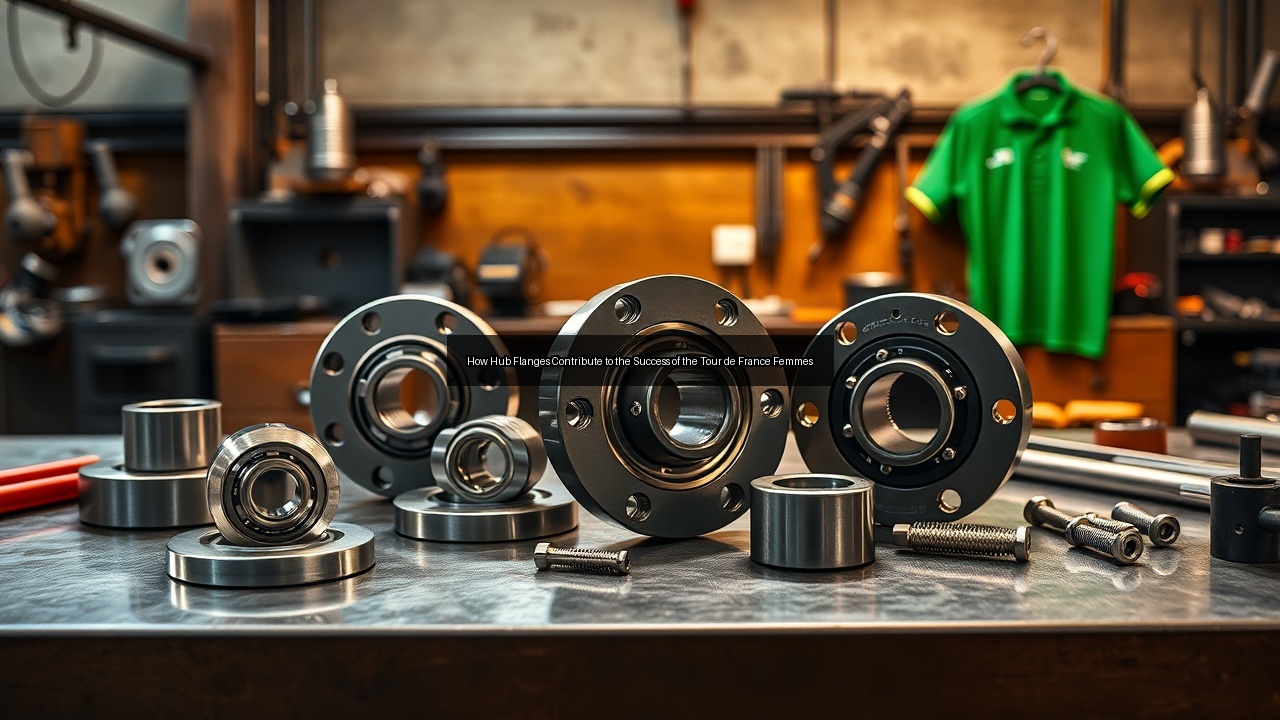
Hub flanges form the core structural elements that connect spokes to the wheel hub in high-performance bicycles. These flanges distribute forces evenly across the wheel assembly, allowing riders to maintain speed and control during intense stages of the Tour de France Femmes. A well-engineered hub flange integrates directly with flange ball bearing systems to reduce friction and support consistent rotation. Cyclists rely on this setup for precise power transfer from the pedals to the road. Manufacturers design hub flanges to balance weight and strength, ensuring the wheel remains responsive under varying loads. This component stands apart from standard hubs by providing a wider spoke angle that enhances overall rigidity without adding excess mass.
How Flanges Impact Wheel Stability
Flanges improve wheel stability by increasing the bracing angle of the spokes, which counters lateral forces encountered on rough terrain or during sprint finishes. In competitive events like the Tour de France Femmes, this stability translates to fewer wheel deformations and sustained aerodynamic efficiency. Flanged hubs achieve this through strategic placement that spreads tension more uniformly than traditional designs. Riders notice immediate differences in handling when cornering at high speeds or climbing steep gradients. The added support from flanges minimizes flex, preserving energy that would otherwise dissipate through unwanted movement. Teams prioritize these features when selecting equipment for multi-day races where consistent wheel performance determines stage outcomes.
The Importance of Quality Ball Bearings in Flanged Hubs
Quality ball bearings inside flanged hubs deliver smooth operation by minimizing rotational drag and resisting contamination from road debris. Each bearing works in tandem with the hub flange to maintain precise alignment over long distances. In the Tour de France Femmes, where stages span varied conditions from flat roads to mountainous passes, reliable bearings prevent overheating and extend component life. Riders equip their wheels with sealed ball bearing units that protect against moisture while supporting high loads. This combination ensures the hub flange maintains structural integrity without compromising speed. Teams test different bearing grades to match rider preferences for responsiveness versus durability during critical race segments.
Key Features of Hub Flanges in the Tour de France Femmes
Design Innovations in Flanged Hubs
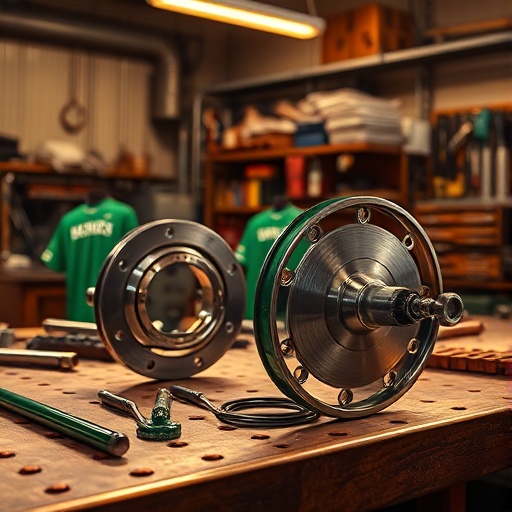
Recent design innovations in flanged hubs focus on optimizing spoke attachment points and integrating lightweight materials that withstand race-level stresses. These advancements allow hub flanges to deliver superior torque transmission while reducing overall wheel weight. Engineers incorporate asymmetric flange profiles that improve spoke tension balance, leading to more predictable handling in crosswinds common during Tour de France Femmes routes. The result appears in faster acceleration and better power efficiency for competitors. Innovations also include modular flange designs that simplify customization for individual rider needs. Such developments reflect ongoing refinement aimed at competitive edges in professional pelotons.
The Role of Set Screws in Enhancing Performance
Set screws secure critical interfaces within flanged hubs, preventing unwanted movement between the axle and bearing races under dynamic loads. Proper tension on each set screw ensures the hub flange remains aligned throughout demanding stages. In race settings, this fastening method supports quick adjustments during wheel changes without specialized tools. Mechanics value the reliability of set screw systems because they maintain consistent bearing preload, which directly affects rolling resistance. Riders experience smoother power delivery when set screws hold components firmly in place. This small detail contributes measurably to overall system performance during prolonged efforts like those seen in multi-stage events.
Comparing Flanged Hubs and Traditional Hubs
Flanged hubs outperform traditional hubs by offering greater lateral stiffness and improved spoke geometry that reduces wheel dish. Traditional designs often require deeper dish to achieve similar strength, increasing aerodynamic drag. In contrast, the hub flange allows shallower spoke angles that preserve efficiency while boosting durability. During the Tour de France Femmes, teams select flanged options for their balance of weight savings and structural benefits. Data from wind tunnel sessions confirm lower drag coefficients with properly tensioned flanged setups. The comparison highlights why modern racers increasingly adopt flanged hubs for elite competition where marginal gains accumulate over multiple stages.
Hub Flanges and Their Impact on Rider Success
Tom Pidcock’s Winning Strategy: The Role of Equipment
Tom Pidcock’s approach to equipment selection emphasizes components that enhance power transfer and wheel responsiveness, including advanced hub flange configurations. His success stems partly from wheels built around flanged hubs paired with high-quality ball bearings that maintain speed across varied terrain. This choice supports aggressive tactics in breakaways and time trials alike. Teams around Pidcock analyze flange geometry to match his sprint and climbing demands. The integration of set screws and precision bushings further refines axle stability during critical moments. Such attention to detail in equipment contributes directly to consistent results across international calendars that overlap with events like the Tour de France Femmes.
The Significance of the Green Jersey in Relation to Gear Performance
The green jersey rewards consistent performance in intermediate sprints and stage finishes, where wheel reliability from hub flanges plays a decisive role. Riders targeting this classification depend on flanged hubs to deliver quick acceleration out of corners without energy loss from flex. Ball bearing quality within these hubs ensures minimal resistance during repeated efforts. Equipment choices that support green jersey contenders often feature reinforced flanges capable of handling the stresses of bunch sprints. The connection between gear performance and jersey contention becomes evident when small mechanical advantages compound over repeated high-intensity efforts in races such as the Tour de France Femmes.
Case Study: Performance Metrics from Bordeaux to Aurillac
Stage data from Bordeaux to Aurillac reveal measurable improvements in average speed and power output when teams employ flanged hubs with optimized flanges and bearings. Riders recorded lower rolling resistance values and reduced wheel maintenance stops compared to previous seasons using standard hubs. The transition through Pau highlighted how set screws and bushing alignments preserved wheel trueness over cobblestone sections. Metrics collected during this segment showed enhanced stability that allowed sustained efforts in headwinds. Analysis of these results underscores the practical advantage hub flanges provide in real-world racing conditions spanning diverse landscapes.
Challenges and Developments in Hub Flange Technology
Material Advancements in Bearings and Flanges
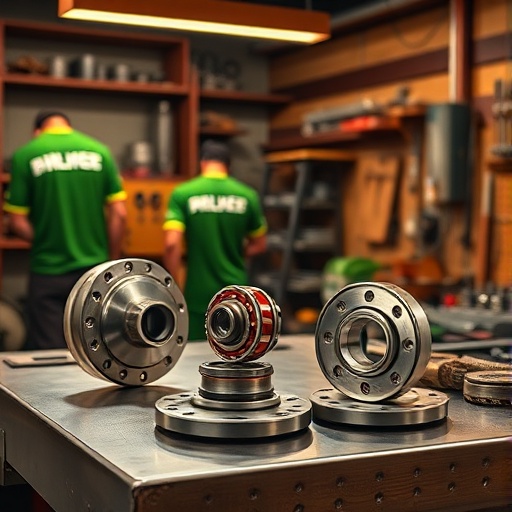
Material advancements introduce ceramic ball bearings and carbon-reinforced flanges that reduce weight while increasing fatigue resistance. These upgrades address the high-cycle demands placed on components during the Tour de France Femmes. New alloys improve corrosion protection around the hub flange, extending service intervals between overhauls. Engineers combine these materials with refined bushing tolerances to achieve tighter axle fits and smoother rotation. The evolution supports higher rider power outputs without sacrificing longevity. Teams monitor wear patterns to validate these material choices under race conditions that test every aspect of wheel construction.
The Future of Hub Flanges in Competitive Cycling
The future points toward integrated sensor systems within hub flanges that provide real-time data on bearing temperature and spoke tension. Such technology will allow mechanics to optimize setups mid-race during events like the Tour de France Femmes. Flanged hub designs will likely incorporate additive manufacturing for customized flange profiles tailored to specific rider biomechanics. Continued refinement of set screw mechanisms and bearing seals promises further reductions in maintenance downtime. These developments position hub flanges as central elements in the pursuit of performance gains at the highest levels of the sport.
Maintenance Tips for Optimal Performance
Regular inspection of hub flanges includes checking for play in the bearings and verifying set screw torque values. Clean ball bearings periodically to remove grit that accelerates wear during extended tours. Lubricate flanges and bushings according to manufacturer intervals to maintain smooth operation. Riders should monitor wheel trueness after rough stages and retension spokes as needed to preserve flange integrity. Proper storage of spare wheels prevents corrosion on exposed metal surfaces. These practices ensure consistent performance from flanged hubs throughout demanding race schedules including the Tour de France Femmes.
Conclusion: The Integral Role of Hub Flanges in Cycling
Recap of Hub Flange Benefits
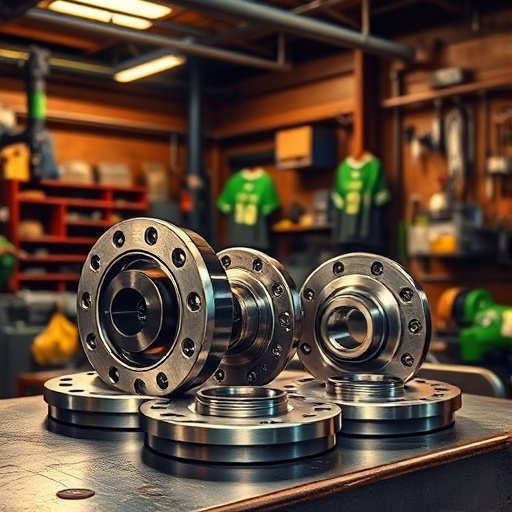
Hub flanges deliver enhanced wheel stability, efficient power transfer, and reduced maintenance needs when paired with quality ball bearings and secure set screws. Their design advantages over traditional hubs support the physical demands of professional racing. Riders gain measurable improvements in handling and speed that accumulate across multi-stage events. The integration of advanced materials and precise engineering elevates overall system reliability. These benefits directly influence competitive outcomes in disciplines ranging from sprints to endurance stages.
Final Thoughts on the Tour de France Femmes and Equipment Choices
Equipment decisions centered on hub flanges shape success in the Tour de France Femmes by providing the mechanical foundation for peak rider output. Teams that invest in refined flanged hubs, optimized bearings, and supporting hardware position their athletes for stronger performances. The interplay between component quality and strategic riding creates opportunities for jersey contention and stage victories. Continued innovation in this area will sustain the evolution of competitive cycling equipment for years ahead.
See Also
- Understanding Flanged Hubs and Their Impact on Wheel Dynamics
- Essential Guide to Choosing the Right Flange for Your Project
- The Connection Between Hub Flanges and High-Performance Cycling Gear
- Hub Flanges Explained for DIY Enthusiasts and Bike Builders
- Exploring the Importance of Hub Flanges in Modern Engineering